 comparison
Marlow Health alternatives for injury treatment
Table of Contents
- Why consider alternatives for injury treatment
- Physiotherapy vs osteopathy for sports injuries
- Digital rehabilitation apps and self-guided options
- What to expect at a movement clinic
- Rehabilitation plans for chronic pain
- Choosing the right injury treatment for your needs
- Frequently Asked Questions
Last Updated: September 27, 2026
Why consider alternatives for injury treatment
When you're recovering from an injury, your choice of injury treatment alternatives can make the difference between a quick return to normal activity and months of frustration. Marlow Health alternative for injury treatment encompasses far more than traditional physiotherapy alone. At Marlow Movement Clinic, we work with clients who've tried multiple approaches, sometimes unsuccessfully, before finding what actually works for their specific situation.
The reality is that injury recovery isn't one-size-fits-all. Some people respond brilliantly to hands-on manual therapy. Others need behavioural coaching to address the psychological barriers holding them back. Still others benefit from guided self-directed rehabilitation through apps. Understanding your options means you can make an informed decision about what suits your injury, your lifestyle, and your recovery timeline.
This guide explores the main injury treatment alternatives available, from physiotherapy and osteopathy to digital rehabilitation programmes and movement clinics. We'll help you understand what each approach offers, who it works best for, and how to choose the right path forward.
Physiotherapy vs osteopathy for sports injuries
Physiotherapy and osteopathy are often mentioned in the same breath, yet they approach injury recovery differently. Understanding these distinctions matters when you're deciding where to invest your time and money.
Physiotherapy focuses on restoring function through movement, exercise, and manual techniques. A physiotherapist typically works with a specific injury or condition, a torn hamstring, frozen shoulder, or chronic knee pain, and designs a progressive exercise programme tailored to your needs. The emphasis is on active participation: you perform exercises both during sessions and at home, gradually building strength and mobility.
Osteopathy takes a broader view of your body as an interconnected system. An osteopath may examine your entire posture and movement patterns, not just the injured area, to understand how other parts of your body might be contributing to the problem. Treatment often involves hands-on manipulation of joints and soft tissues, with less emphasis on home exercise programmes.
For acute sports injuries, a sprained ankle, muscle strain, or ligament damage, physiotherapy typically delivers faster results. The structured, progressive exercise approach directly addresses the damaged tissue and rebuilds strength. Osteopathy can be particularly valuable when your injury seems to have no clear cause or when pain persists despite physiotherapy, as it may reveal postural or movement patterns contributing to the problem.
The choice often comes down to your injury type and your preference for active versus passive treatment. If you want to take an active role in your recovery with clear exercises to perform, physiotherapy is usually the better fit. If you prefer hands-on treatment and suspect your injury is connected to broader postural issues, osteopathy may be worth exploring.
Digital rehabilitation apps and self-guided options
The rise of digital health has created genuine alternatives to in-person treatment. For some injuries and situations, app-based rehabilitation can be remarkably effective. For others, it falls short of what you actually need.
App-based rehabilitation programmes
Digital rehabilitation apps offer structured, evidence-based exercise programmes you can follow at home. These aren't generic fitness apps, the better ones are clinically validated and specifically designed for particular injuries or conditions.
Digital rehabilitation apps offer structured, evidence-based exercise programmes you can follow at home. The better ones are clinically validated and specifically designed for particular injuries or conditions. They can track your progress, adjust exercise difficulty as you improve, and guide you through proper form. The advantage is clear: you get professional-quality guidance at a fraction of the cost of regular clinic visits, and you can exercise whenever suits your schedule.
The limitation is equally clear: these apps cannot perform hands-on assessment or manual therapy. If your injury requires a clinician to identify movement restrictions, apply targeted manual treatment, or adjust your programme based on how your body responds to touch, an app alone won't deliver that. Apps work best for straightforward injuries where the rehabilitation pathway is well-established and you're disciplined enough to follow the programme consistently without in-person accountability.

Chronic pain management through behavioural coaching
Chronic pain, pain lasting more than three months, often has a significant psychological component. Your nervous system can become sensitised, amplifying pain signals even after the original injury has healed. This is where behavioural coaching programmes become valuable.
These platforms teach pain science education, nervous system regulation techniques, and cognitive strategies to help you regain control over chronic pain. They're built on neuroplasticity research showing that chronic pain can be reduced by changing how your brain processes pain signals (Checking your browser). For people who've had pain for years and tried conventional physiotherapy without lasting relief, these programmes offer a genuinely different approach.
The trade-off is that behavioural coaching requires significant motivation and self-direction. You're not getting hands-on treatment or external accountability. If you struggle to stick with self-guided programmes, or if your pain is tied to an acute structural injury that needs manual assessment, a behavioural app alone may not be sufficient.
What to expect at a movement clinic
A movement clinic takes a different approach from traditional physiotherapy. Rather than focusing narrowly on your injured area, movement clinics assess how you move overall and design rehabilitation that restores confident, pain-free movement.
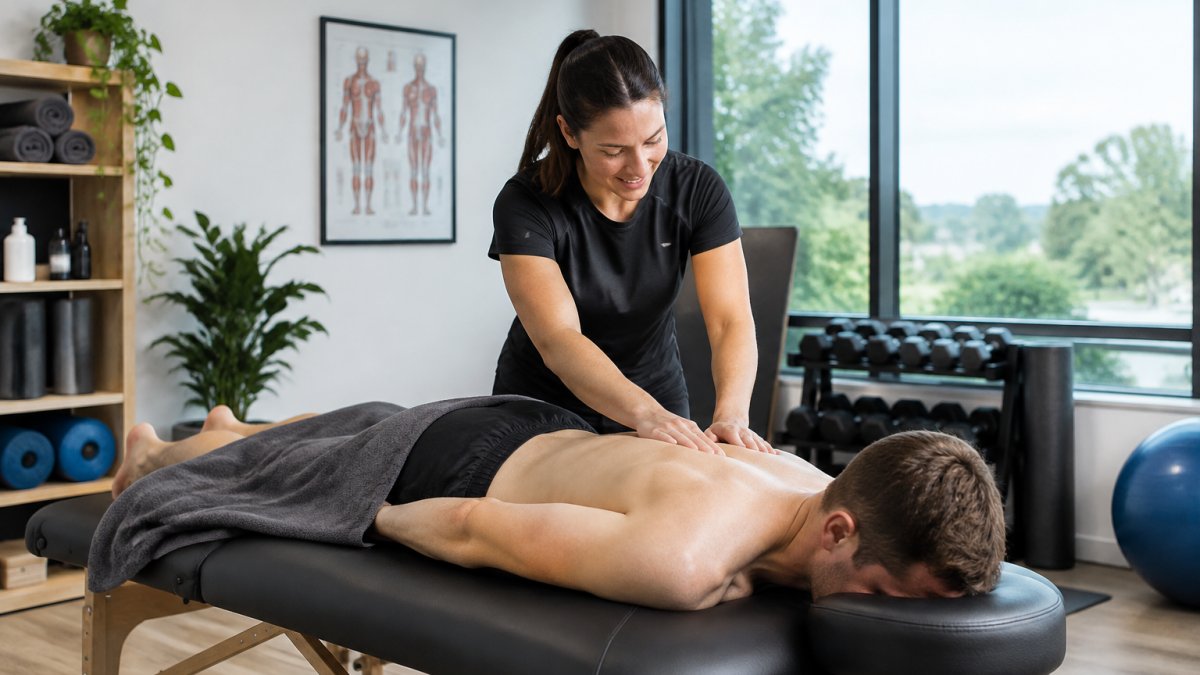
When you visit a movement clinic like Marlow Movement Clinic, the first session typically involves a detailed movement assessment. The clinician watches how you move, identifies restrictions or compensations, and listens to your history. This isn't a quick tick-box process, it's designed to understand how your injury has affected your movement patterns and what's driving your pain.
Treatment combines hands-on manual therapy with guided movement and exercise. You're not simply given a list of exercises to do at home; you're taught how to move correctly, often with the clinician guiding you through the movement in real time. This active teaching approach means you leave with genuine understanding of what you need to do, not just a set of instructions.
The emphasis is on building confidence in your body. Many people recovering from injury develop fear around movement, they worry about re-injury or making things worse. A good movement clinic systematically rebuilds that confidence by progressing your exercises gradually and ensuring you feel secure at each stage.
Rehabilitation plans for chronic pain
Rehabilitation plans for chronic pain differ fundamentally from acute injury recovery. With acute injuries, the goal is to restore function as the tissue heals. With chronic pain, the goal is often to help you function despite ongoing discomfort, and to gradually reduce pain through movement and lifestyle changes.
A well-designed rehabilitation plan for chronic pain typically includes progressive exercise, pacing strategies to avoid flare-ups, sleep optimisation, stress management, and sometimes cognitive approaches. The plan is built around your specific triggers and limitations, not a generic template.
The best plans are flexible and responsive. Your clinician should adjust the programme based on how you're responding, not stick rigidly to a preset schedule. This is where in-person assessment becomes valuable, a clinician can see how your body is responding and make real-time adjustments that a self-guided app cannot.
Choosing the right injury treatment for your needs
Selecting the right approach depends on several factors: the nature of your injury, how long you've had pain, your preference for hands-on versus self-directed treatment, and your budget.
| Approach | Best For | Requires | Typical Timeframe |
|---|---|---|---|
| Physiotherapy | Acute sports injuries, clear structural damage | Active participation, home exercises | 4-12 weeks |
| Osteopathy | Postural issues, pain with unclear cause | Passive treatment tolerance | 6-12 weeks |
| Digital apps | Straightforward injuries, high self-discipline | Consistent self-direction | 8-16 weeks |
| Behavioural coaching | Chronic pain, psychological barriers | Motivation and self-reflection | 12+ weeks |
| Movement clinic | Complex injuries, need for confidence-building | Active participation, hands-on treatment | 6-16 weeks |
Ask yourself these questions: Is your injury acute or chronic? Do you respond better to hands-on treatment or self-directed exercise? How much time and money can you realistically invest? Do you need someone to guide you through movement, or can you follow a programme independently?
If you've tried one approach without success, that's valuable information. It doesn't mean you won't recover, it means you may need a different strategy. Many people find that combining approaches works best: perhaps starting with a movement clinic for hands-on assessment and confidence-building, then supplementing with a digital app for ongoing exercise between sessions.
If you're struggling with an injury or chronic pain and haven't found the right approach yet, a consultation can clarify your options.
Frequently Asked Questions
Do I need a GP referral to access private injury treatment?
No, you can access private injury treatment directly without a GP referral in most cases. Many private clinics, including movement clinics, accept self-referrals and allow you to book appointments independently. However, if you wish to claim treatment costs through private health insurance, your insurer may require a referral letter from your GP. Check your insurance policy or contact your provider to understand their specific requirements before booking.
What is the difference between physiotherapy and osteopathy for sports injuries?
Physiotherapy focuses on restoring movement and function through exercises, manual therapy, and rehabilitation tailored to your specific injury. Osteopathy takes a whole-body approach, examining how different body structures relate to your pain and using manipulation techniques. For sports injuries, physiotherapy typically emphasises progressive strengthening and sport-specific recovery, whilst osteopathy may address underlying postural or structural imbalances. Both can be effective; your choice depends on your injury type and preference for treatment style.
What should I look for in a rehabilitation plan for chronic pain?
A good rehabilitation plan should be personalised to your condition, include clear, progressive steps you can follow between appointments, and address both physical movement and understanding of your pain. Look for plans that combine hands-on treatment with self-managed exercises, set realistic timelines, and explain why each step matters. The plan should empower you to regain confidence in your body rather than creating dependency on ongoing treatment. Ask your provider how they measure progress and adjust the plan if needed.
Are private injury treatments covered by health insurance?
Coverage depends on your specific health insurance policy. Many private health insurance plans in the UK cover physiotherapy and some forms of manual therapy, but coverage limits, session allowances, and referral requirements vary significantly between insurers. Some policies require pre-authorisation before treatment begins. Contact your insurer directly to confirm what treatments are covered, how many sessions you're entitled to, and whether you need a GP referral. Keep receipts and treatment documentation to support any claims.