 ultimate-guide
Is Remedial Massage Right for Your Pain?
Last Updated: November 5, 2026
Quick Summary
Remedial massage is a clinical form of manual therapy that treats musculoskeletal pain by working on muscles, tendons, ligaments and fascia, then rebuilding strength through targeted rehabilitation. It is commonly used for back pain, postural strain and injury recovery, and is often paired with a plan you can follow between sessions.
- Remedial massage aims to change how tissue behaves, not simply help you unwind.
- Sessions may combine soft tissue mobilisation, trigger point work, assisted stretching and myofascial release.
- Relying on passive techniques alone, without an exercise component, may lead to shorter-lasting results.
- After treatment, walk for 10-15 minutes later in the day and avoid heavy lifting for 24 hours.
- We offer a free 15-minute phone consultation to find out whether remedial massage fits.
Table of Contents
- What Is Remedial Massage and How Does It Work?
- Remedial Massage Techniques Used in Practice
- Remedial Massage for Back Pain and Posture
- Remedial Massage vs Sports Massage: What's the Difference?
- What to Expect During a Session
- Massage Aftercare: What to Do Afterwards
- Who Should Avoid Remedial Massage?
- Book a Free 15-Minute Consultation
- Frequently Asked Questions
What Is Remedial Massage and How Does It Work?
Remedial massage is a clinical form of manual therapy that treats musculoskeletal pain by working on muscles, tendons, ligaments and fascia, then rebuilding strength through targeted rehabilitation. It is commonly used for back pain, postural strain and injury recovery, and is often paired with a plan you can follow between sessions.
The distinction that matters is intent. A relaxation massage helps you unwind; a remedial massage aims to change how tissue behaves. That means assessing where stiffness sits, which structures carry the load, and what your body does under movement, not just where it hurts when pressed.
How Remedial Massage Works on Soft Tissue
Soft tissue work targets the layers beneath the skin: muscle bellies, the fascia that wraps them, and the tendons and ligaments anchoring joints. Practitioners use graded pressure and movement to reduce muscular tension and improve how tissue glides.
The therapeutic effect is mechanical and neurological. Slow, sustained pressure can ease protective muscle tone, while controlled movement through a joint supports range of motion and circulation. If you want to understand the connective layer we work on, our explanation of what myofascia is covers its structure and why it matters for pain.
Remedial Massage Techniques Used in Practice
No two sessions look identical. Practitioners select techniques based on the individual's presentation, goals and how their tissue responds on the day. Common approaches include:
- Soft tissue mobilisation to release muscular tension and stiffness
- Trigger point work on tender, taut bands within muscle
- Assisted stretching to restore range of motion
- Myofascial release for restrictions in the connective tissue
- Targeted exercise rehabilitation to build capacity after treatment
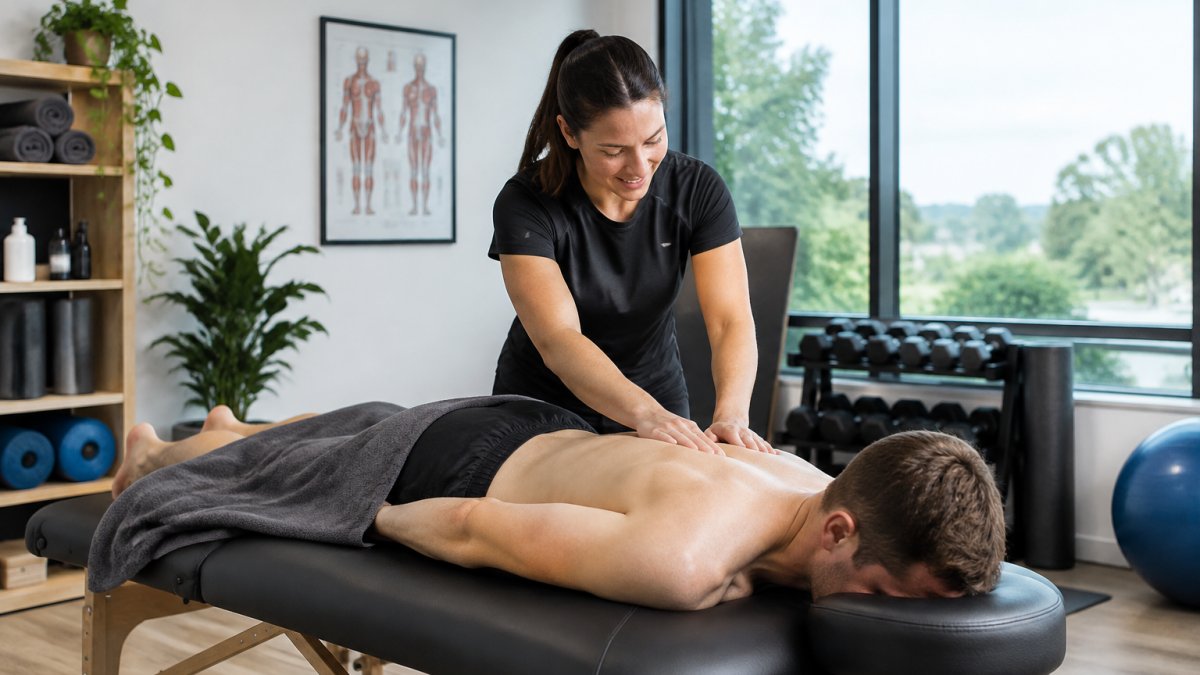
Soft tissue mobilisation uses graded pressure and rhythmical strokes to work on muscle and fascia, and is one of several approaches used in a session.
Myofascial release deserves a closer look, since it is often the technique clients ask about most. Our guide to myofascial release in Marlow explains what to expect, the techniques involved and how long a course of treatment typically runs. In practice, myofascial release uses slow, sustained pressure or traction to mobilise restrictions in the fascial web, aiming to restore hydration and glide between layers. Evidence for its specific effects is still emerging, but many practitioners find it useful for chronic pain patterns where tissue feels dense or adhered.
Targeted exercise rehabilitation is the component that can help turn a temporary change into a lasting one. After hands-on work, exercises may be given to address strength, control or mobility deficits identified during assessment.
Relying on passive techniques alone, without an exercise component, may lead to shorter-lasting results.
Remedial Massage for Back Pain and Posture
Back pain is a common reason people seek remedial massage, and posture-related strain is also frequent. Prolonged sitting shortens hip flexors, weakens glutes and loads the lower back, which is why office workers often present with stiffness that builds across the week rather than after a single event.
Treatment can focus on settling muscular tension, then addressing the biomechanics that may have contributed to it. Exercise is an important part of the approach. For a fuller plan, our step-by-step guide on how to fix chronic lower back pain walks through the progression we use.
Remedial Massage vs Sports Massage: What's the Difference?
The two overlap heavily, and in practice many therapists use the terms almost interchangeably. Our sports massage in Marlow page covers how it differs from deep tissue and remedial massage, so you can decide which is right for you. The clearest difference is emphasis: sports massage is usually timed around training and competition, while remedial massage targets a specific complaint and its underlying cause.
Sports massage often includes pre-event and post-event work to prepare tissue or speed recovery. Remedial massage leans toward assessment, treatment of chronic pain patterns and rehabilitation planning. Many clients need elements of both, which is why a proper assessment comes before any technique is chosen.
The two overlap heavily, so the clearest distinction is one of emphasis.
Check availability and book online →
| Aspect | Remedial massage | Sports massage |
|---|---|---|
| Main emphasis | Targets a specific complaint and its underlying cause | Timed around training and competition |
| Typical focus | Assessment, chronic pain patterns, rehabilitation planning | Pre-event and post-event work |
| How they relate | Many therapists use the terms almost interchangeably | Many clients need elements of both |
What to Expect During a Session
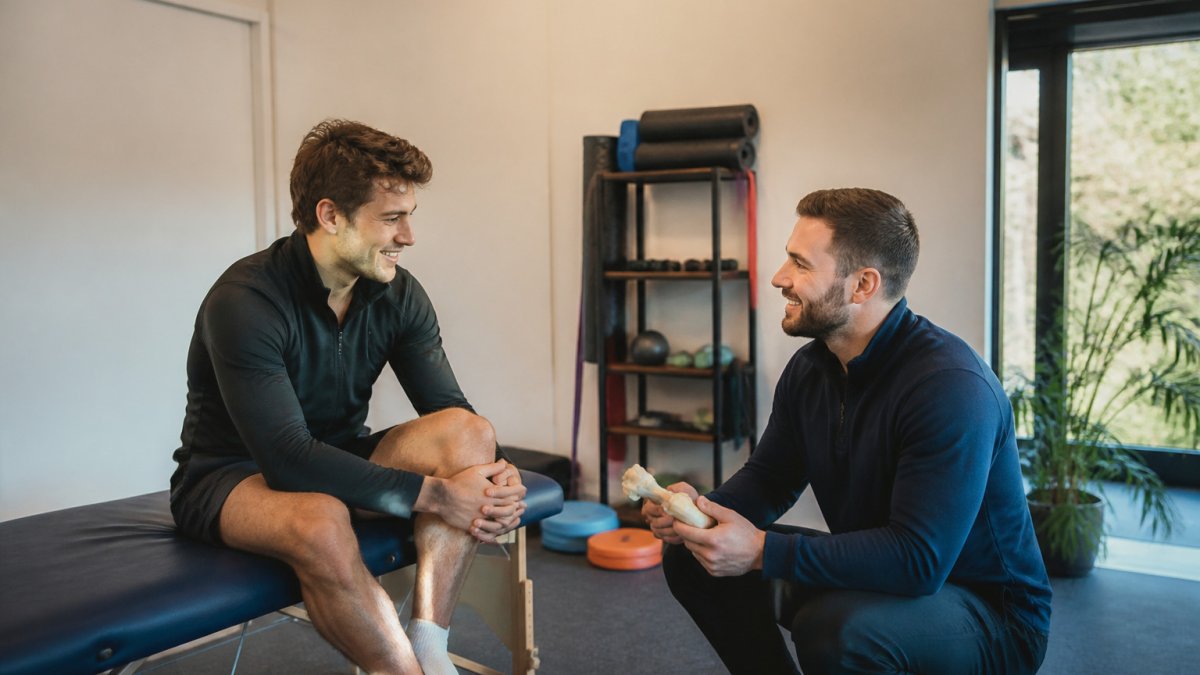
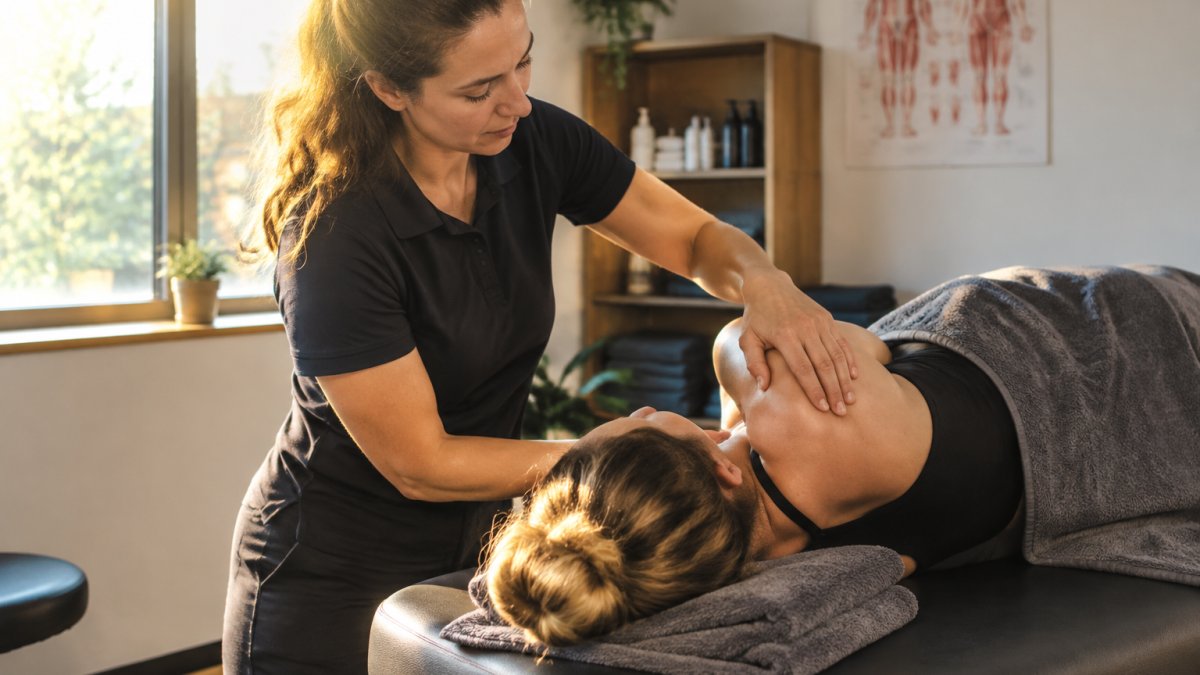
Your first appointment begins with a conversation and a postural assessment, not a massage couch and silence. We ask about your history, what aggravates the pain, what you have already tried and what you want to get back to doing.
From there, treatment usually combines hands-on soft tissue work with movement checks and a short exercise set. You should leave knowing what we found, what we did and what to do before the next visit. Some people feel temporary soreness for a day or so afterwards, similar to the ache after unaccustomed exercise.
Massage Aftercare: What to Do Afterwards
Aftercare is where a lot of people undo good work. The principles are simple: keep moving gently, stay hydrated, avoid heavy loading of the treated area for the rest of the day, and do the exercises you were given.
- Walk for 10-15 minutes later in the day
- Complete your prescribed exercises as shown
- Apply heat or ice only if advised
- Note any change in symptoms to report next session
- Avoid strenuous training or heavy lifting for 24 hours
Skipping the exercise component may increase the chance that symptoms return. Massage can change tissue tone, while exercise can help change what the tissue can tolerate.
Who Should Avoid Remedial Massage?
Remedial massage is not appropriate for everyone, and suitability should be checked with a qualified clinician. Certain conditions require caution or a delay in treatment, and some are absolute contraindications. Being upfront about your medical history at your consultation helps us keep you safe.
Some conditions mean treatment of the area would not be appropriate. These can include:
- Active infection or fever
- Undiagnosed lump or swelling
- Recent fracture or suspected fracture
- Deep vein thrombosis (DVT) or suspected DVT
- Severe varicose veins or phlebitis
- Skin infection or rash over the treatment area
- Acute inflammation or joint effusion
Some conditions may mean treatment is modified or delayed until they are managed. These can include:
- Controlled cardiovascular conditions (e.g., high blood pressure)
- Diabetes (especially if neuropathy is present)
- Osteoporosis or bone metastases
- Pregnancy (particularly in the first trimester)
- Recent surgery or scar tissue (once healed)
- Medications such as anticoagulants or corticosteroids
If you have any of these, it is important to discuss them with a qualified professional, who may seek clearance from your GP or specialist before proceeding.
A common pattern is that clients are unsure whether a condition is relevant. It is always better to mention it, we can then make an informed decision together. Nothing here replaces an individual assessment, and a qualified clinician should decide what is suitable for you.
Book a Free 15-Minute Consultation
Deciding whether treatment is right for you should not require a commitment. We offer a free 15-minute phone consultation so you can describe your problem, ask about the approach and find out whether remedial massage fits. You can also review the full range of treatments for pain, injury and recovery we provide.
Our Clinical Lead, Mark Skoyles (BSc Hons), has been in practice since 1996, and the clinic holds a 5.0 rating on Google from 97 reviews. Same-day appointments are often available, and you can book directly without a GP referral.
Frequently Asked Questions
What is the difference between physiotherapy and sports therapy?
Graduate anatomy and physiology education is the same for both. Basic physiotherapy training is geared around getting people out of a hospital bed and back to home or work, and physiotherapists can later specialise in musculoskeletal work. Sports Therapy training is based on treating musculoskeletal pain and out-patient rehabilitation from the start. The focus is on people who can work and do simple daily tasks but struggle to get back to their favourite exercise or sport.
What sort of treatments does Marlow Movement Clinic provide?
Graduate Sports Therapy focuses on making the musculoskeletal system work better: bones, joints, muscles and other soft tissue structures. Training covers exercise physiology, biomechanics, neuromuscular facilitation, assisted stretching, soft tissue mobilisation and targeted exercise rehabilitation. Sessions can combine hands-on treatment with practical rehab plans, giving you clear steps to progress between appointments.
Is remedial massage painful?
Pressure can be adjusted based on your feedback, and you should tell your therapist if anything feels too intense. Some people feel mild soreness for a day or two afterwards, similar to after exercise.
Do I need a GP referral to book a remedial massage?
No referral is needed to book directly with a Graduate Sports Therapist at Marlow Movement Clinic. You can call for a free 15-minute phone consultation to discuss your problem first, and same-day appointments are often available. If your symptoms suggest something that needs medical investigation, you will be advised to see your GP. Bring any relevant scan results or letters to your first appointment if you have them.
If pain has been limiting what you can do for weeks or months, the pattern rarely resolves on its own. Get started with Marlow Movement Clinic and pair hands-on treatment with a rehabilitation plan built around your goals, supported by same-day appointments, free 15-minute phone consultations and clear steps to progress between sessions.