 how-to
Recovering from Recurring Sports Injury: A Step-by-Step Guide
Table of Contents
- Why Recurring Sports Injuries Happen
- Sports Injury Rehabilitation Exercises: Building a Foundation
- Understanding Your Sports Injury Recovery Timeline
- Return to Sport After Injury: A Staged Approach
- Preventing Sports Injuries from Recurring
- When to Seek Professional Help
- Frequently Asked Questions
Last Updated: October 18, 2026
Why Recurring Sports Injuries Happen
A recurring sports injury is one that returns after you thought you'd recovered. It happens more often than you'd expect, and there's usually a pattern behind it.
The most common reason? Incomplete rehabilitation. You feel better, so you jump back into your sport at full intensity. Your body isn't ready. The weak link gives way again.
Another culprit is movement quality. If you return to sport with the same movement patterns that caused the first injury, your body repeats the same mistake. You're not addressing the root cause, you're just waiting for it to fail again.
A third factor is returning too quickly. Many athletes rush the timeline. They want their old fitness back immediately. But tissues heal on a biological schedule, not a calendar. Push too hard too soon, and you're almost guaranteed a setback.
At Marlow Movement Clinic, we see this pattern repeatedly. The athletes who avoid recurring injuries aren't the ones who rest longest. They're the ones who rebuild systematically, with attention to how they move, not just when they move.
Sports Injury Rehabilitation Exercises: Building a Foundation
Rehabilitation exercises aren't optional add-ons to recovery. They're the foundation. Without them, you're relying on time alone to fix the problem, and time alone rarely works.
The right exercises do three things at once. They restore mobility to areas that have stiffened. They rebuild strength in muscles that have weakened during rest. And they retrain your nervous system to move in ways that don't re-injure you.
Start with exercises that focus on the injured area first. If you've injured your ankle, begin with ankle-specific work. If your shoulder is the problem, shoulder work comes before full-body training.
The progression matters more than the intensity.
Progressive Loading Principles
Progressive loading means gradually increasing the demand on your tissues. You don't jump from rest to full sport. You move through stages.
Start with exercises that don't require weight or resistance. These teach your body the movement pattern. Your nervous system relearns how to control the injured area.
Next, add light resistance. Use bands, light weights, or your own bodyweight. The goal is to strengthen the area without overwhelming it. This phase typically lasts 2-3 weeks, though it varies by injury.
Then increase the load gradually. Add more weight, more repetitions, or more challenging positions. Your tissues adapt as you go.
The rule: if an exercise causes sharp pain, stop. Mild discomfort as you work is normal. Sharp pain is a warning.
Here's what progression looks like in practice:
- Week 1-2: Bodyweight exercises, controlled movements, no resistance
- Week 3-4: Light resistance bands or light weights introduced
- Week 5-6: Moderate resistance, increased repetitions
- Week 7+: Sport-specific movements, higher intensity
This isn't a rigid timeline. Some injuries progress faster. Others need more time. A Graduate Sports Therapist can assess your specific injury and adjust the pace.
Movement Quality Over Intensity
This is where most athletes go wrong. They measure progress by how hard they work, not by how well they move.
A perfectly executed exercise at 50% intensity beats a sloppy one at 100% intensity. Always.
When you move poorly, you reinforce bad patterns. Your nervous system learns the wrong way to do the movement. You're training yourself to re-injure.
Movement quality means:
- Controlled speed (not rushing through repetitions)
- Proper alignment (joints in the right position)
- Symmetry (both sides of your body working equally)
- No compensation (not using other muscles to avoid the weak area)
Check your form in a mirror. Film yourself. Ask a professional to watch. Small adjustments now prevent big problems later.
Check availability and book online →
Understanding Your Sports Injury Recovery Timeline
Recovery timelines vary enormously depending on the injury, your age, your fitness level, and how well you follow the rehabilitation plan.
A mild ankle sprain might recover in 4-6 weeks. A shoulder dislocation can take 3-6 months. A severe knee ligament injury might need 6-12 months or longer.
But here's what matters: the calendar is less important than the stages. You progress through stages of healing, not days on a schedule.
The body heals in phases. Inflammation comes first (days 1-5). Then tissue repair begins (weeks 1-6). Then remodelling happens (weeks 6 onwards). Each phase has different demands.
Returning to sport before the remodelling phase is complete is how recurring injuries start.
Ask a professional for a realistic timeline for your specific injury. Then add 20%. Most people underestimate recovery time. Building in extra time prevents the temptation to rush.
Return to Sport After Injury: A Staged Approach
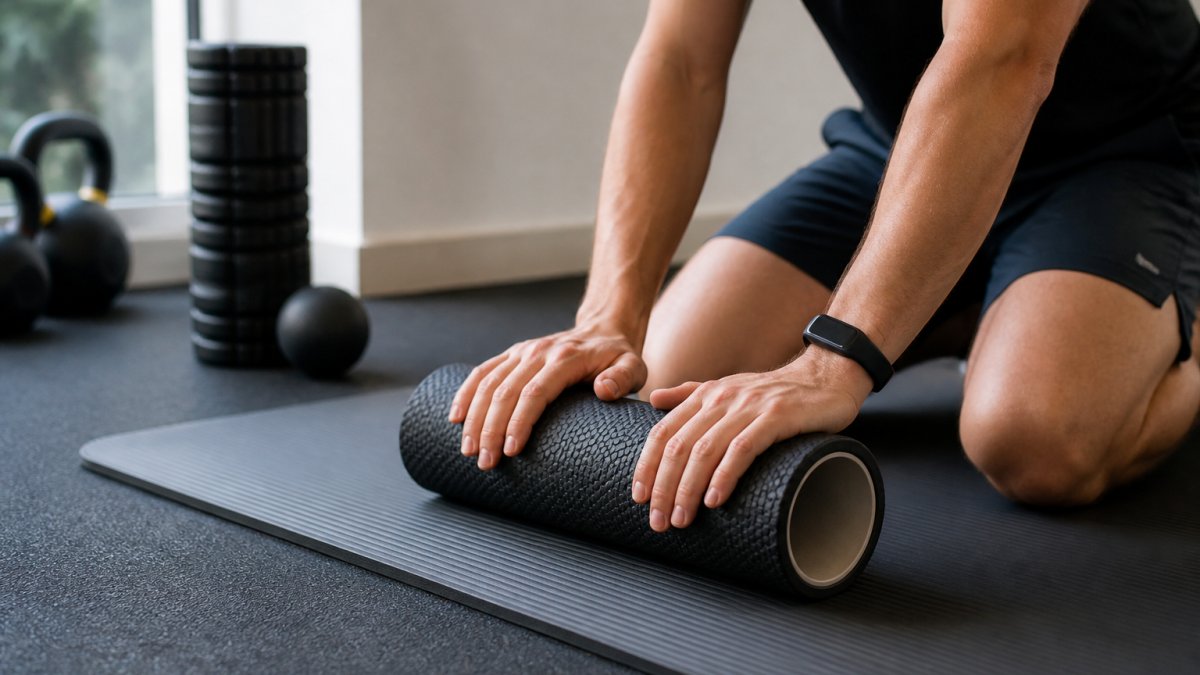
Returning to sport isn't a binary choice, injured or not injured. It's a staged process. You progress through three clear stages.
Each stage has a purpose. Each prepares you for the next. Skip a stage, and you're back to square one.
Stage 1: Movement Restoration
This stage focuses on getting your injured area moving again. Not at full range. Not at full strength. Just moving.
Pain limits your range of motion. Swelling limits it further. Rest compounds both. This stage reverses that.
Exercises are gentle and controlled. You're teaching your body that movement is safe again. Your nervous system is still cautious, that's normal.
This stage lasts until:
- You have full range of motion in the injured area
- Swelling has reduced significantly
- You can move without sharp pain
- Basic daily activities feel normal again
Typical duration: 2-4 weeks for minor injuries, longer for severe ones.
Stage 2: Strength and Stability
Once movement is restored, you rebuild strength. This is where most of the rehabilitation work happens.
Strength work targets the injured area directly, then the surrounding muscles that support it. A weak ankle needs calf strength, shin strength, and hip stability. A weak shoulder needs rotator cuff work, scapular stability, and core engagement.
You also work on proprioception, your body's awareness of where it is in space. This is crucial for injury prevention. Poor proprioception is why some people re-injure the same area repeatedly.
Stability exercises often feel less intense than strength work, but they're equally important. Balance work, single-leg exercises, and unstable-surface training all build proprioception.
This stage lasts until:
- You have strength equal to your uninjured side
- You can perform single-leg balance work without wobbling
- Sport-specific movements feel controlled and strong
- You've completed 4-6 weeks of consistent training
Typical duration: 4-8 weeks.
Stage 3: Sport-Specific Training
Now you bring back sport-specific movements. You're not at full intensity yet, but you're moving like an athlete again.
If you're a runner, you progress from walking to jogging to running. If you're a footballer, you progress from passing to light sprinting to match-intensity movements.
You also increase speed and intensity gradually. You add change-of-direction work. You introduce the unpredictability of actual sport.
Check availability and book online →
This stage lasts until you can perform your sport at full intensity without pain, swelling, or loss of confidence.
Typical duration: 2-6 weeks, depending on the sport and injury.
Preventing Sports Injuries from Recurring
The best treatment is prevention. Once you've been injured, your risk of re-injury is higher. But you can dramatically reduce that risk.
First, maintain the strength and mobility you've built during rehabilitation. Don't stop exercising once you're back to sport. Keep doing your rehab work 2-3 times per week, even when you're training hard.
Second, warm up properly. A proper warm-up increases blood flow to muscles, raises core temperature, and primes your nervous system. Five minutes of gentle movement isn't enough. Spend 10-15 minutes on dynamic stretching and activation work.
Third, listen to your body. Pain is information. Soreness is normal after hard training. Sharp pain is a warning. Swelling is a sign of inflammation. Don't ignore these signals.
Fourth, vary your training. Doing the same movement pattern repeatedly increases injury risk. Mix different sports, different intensities, and different movement patterns. This builds resilience.
Fifth, recover properly. Sleep, nutrition, and hydration are as important as training. Poor recovery compounds fatigue and increases injury risk.
Sixth, address imbalances. If one side is weaker or less mobile than the other, that's a red flag. Correcting imbalances now prevents injuries later.
When to Seek Professional Help
You don't need professional help for every twinge. But certain situations call for it.
See a professional if:
- Pain persists beyond 2-3 weeks despite rest and basic care
- Swelling doesn't reduce after a few days of ice and elevation
- You can't bear weight or move the injured area
- The injury is preventing you from daily activities
- You've had this injury before and it's come back
- You're unsure whether you can safely return to sport
A Graduate Sports Therapist specialises in exactly this situation, getting athletes back to sport safely. We focus on musculoskeletal injuries and the movement patterns that cause them.
At Marlow Movement Clinic, we provide hands-on treatment combined with practical rehabilitation plans. We identify why the injury happened and what needs to change to prevent it recurring. You get expert guidance and a clear roadmap back to your sport.
We also offer free 15-minute phone consultations if you want to discuss your specific situation before booking an appointment.
Recovering from a recurring sports injury is frustrating. But it's also an opportunity. The second time around, you understand what went wrong. You can fix it properly. You can build resilience that protects you going forward.
The key is patience with the process, attention to movement quality, and commitment to the rehabilitation stages. Skip none of them. Rush none of them. Follow the progression, and you'll return to sport stronger and more resilient than before.
If you're struggling with a recurring injury or want professional guidance on your recovery, Marlow Movement Clinic can help. We specialise in musculoskeletal rehabilitation and getting athletes back to the activities they love. Book online or call for a free consultation to discuss your specific situation.
Frequently Asked Questions
Why does my sports injury keep coming back?
Recurring sports injuries typically stem from incomplete rehabilitation, rushing return to activity, or underlying biomechanical issues. If the original injury didn't fully heal or supporting muscles remain weak, re-injury risk increases significantly. Common causes include inadequate strength development, poor movement patterns, insufficient rest between sessions, and returning to sport before stability has been restored. A Graduate Sports Therapist can identify the root cause and address it specifically.
What is the difference between physiotherapy and sports therapy?
Both share graduate-level anatomy and physiology training, but their focus differs. Basic physiotherapy training emphasises helping patients return from hospital to home and work. Sports Therapy training specialises in musculoskeletal pain and outpatient rehabilitation from the start, targeting people who can manage daily tasks but struggle returning to exercise or sport. Sports Therapy is specifically designed for athletes and active individuals seeking performance restoration.
How long does recovery from a recurring sports injury typically take?
Recovery timelines vary based on injury severity, type, and your starting point. Initial acute recovery may take weeks, but full rehabilitation, including strength building and return-to-sport progression, typically spans 8-16 weeks or longer for complex cases. Recurring injuries sometimes take longer because underlying factors must be addressed. A personalised assessment determines your specific timeline and milestones.
Can I exercise while recovering from a recurring sports injury?
Yes, but exercise must be carefully structured and progressive. Appropriate movement aids recovery by improving circulation, maintaining strength, and restoring function, provided it's pain-free and guided by proper technique. The key is distinguishing between therapeutic exercise (which supports healing) and activity that aggravates the injury. A Graduate Sports Therapist designs a rehabilitation programme that challenges your recovery without re-injuring the affected area.