 listicle
Best Sports Massage Near Me: What to Look For
Table of Contents
- What to Look For in the Best Sports Massage Near Me
- What to Expect From a Sports Massage Therapist
- Sports Massage for Injury Recovery
- How Often to Get a Sports Massage
- Sports Massage Aftercare: What to Do Between Sessions
- Why Marlow Movement Clinic Stands Out
- Conclusion: Finding the Right Sports Massage for You
- Frequently Asked Questions
Last Updated: October 5, 2026
What to Look For in the Best Sports Massage Near Me
Searching for the best sports massage near me usually returns a long list of clinics with similar-sounding promises. The difference between a session that actually changes how you move and one that just feels nice for a day comes down to two things: who is treating you, and whether you leave with a plan.
At Marlow Movement Clinic, our Graduate Sports Therapists treat musculoskeletal pain and outpatient rehabilitation from the first appointment, not as an afterthought. That matters because a sports massage is a treatment, not a luxury. It works on muscles, joints, tendons and the soft tissue around them, and it should be delivered by someone trained to assess what is actually causing your pain.
Below, we break down the qualifications worth checking, what a proper session involves, and how to judge whether a clinic is right for you.
Qualifications and Professional Standards
Ask what qualification the therapist holds before you book. In the UK, sports massage and sports therapy sit outside the protected title system that covers some healthcare roles, so anyone can print "sports massage" on a business card. That makes it your job to check.
Look for a therapist who has completed a recognised degree or diploma in sports therapy or a related field, holds current insurance, and can explain their reasoning when you describe your pain. A Graduate Sports Therapist has trained in anatomy, physiology, biomechanics and rehabilitation, which means they can assess a shoulder or a knee rather than just working on where it hurts.
Hands-On Treatment Plus a Rehab Plan
The best clinics pair hands-on work with a rehabilitation plan you can follow at home. Massage alone loosens tissue temporarily. It does not build the strength or control that stops the problem returning.
So ask a simple question when you enquire: "What do I do between sessions?" If the answer is vague, that tells you something. A good therapist will send you away with two or three specific exercises, a clear idea of how often to do them, and a way to tell whether they are working.
At Marlow Movement Clinic, every appointment combines hands-on treatment with clear, actionable steps to progress between sessions. That is the part most people say they were missing from previous care.
| What to check | Weak sign | Strong sign |
|---|---|---|
| Qualification | "I'm insured" only | Named degree or diploma, current insurance |
| Assessment | Starts massage straight away | Asks about history, tests movement first |
| Home plan | "Just rest it" | 2-3 specific exercises with frequency |
| Follow-up | No review offered | Reassesses and adjusts the plan |
What to Expect From a Sports Massage Therapist
A sports massage therapist should assess before treating. The first appointment is not just a massage; it is an investigation into why you are in pain and what your body is doing to compensate.
Check availability and book online →
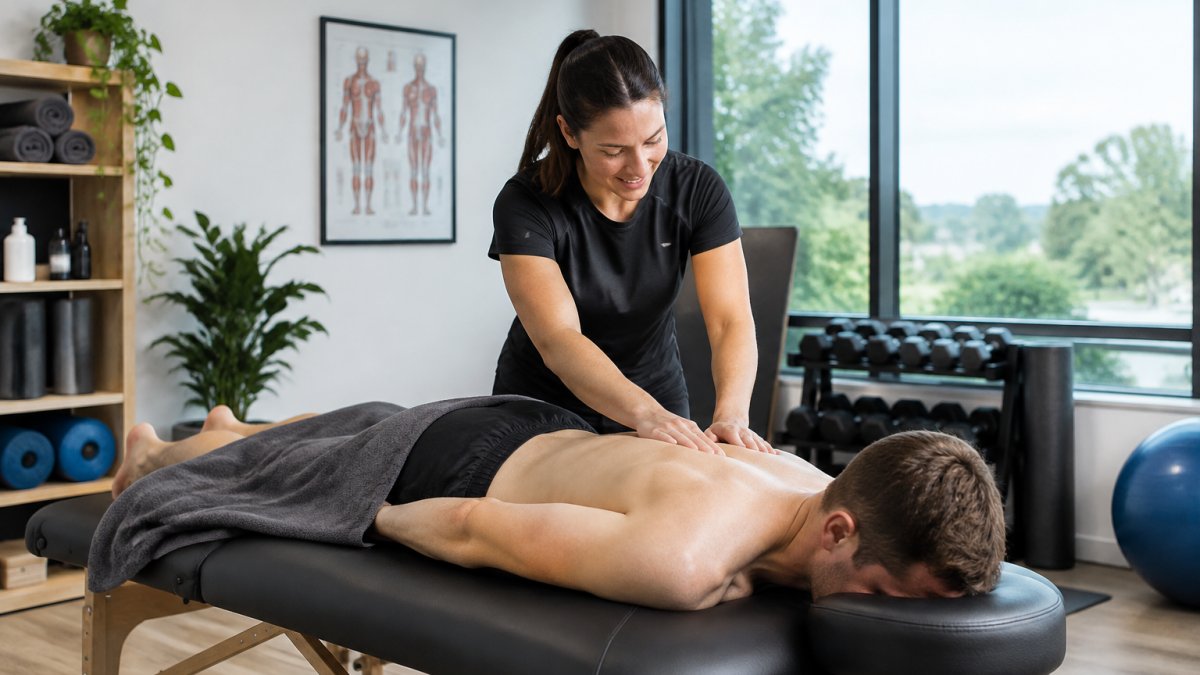
Expect questions about your training, your working day, your sleep and how long the problem has been building. Expect some movement testing: a squat, a reach, a single-leg balance. Then expect treatment, which may include soft tissue mobilisation, assisted stretching and targeted work on the areas driving the problem rather than only the spot that hurts.
You should also expect an honest answer about whether your issue is something they can help with. A good therapist refers you on when it is outside their scope.
Sports Massage for Injury Recovery
Sports massage for injury recovery works best as part of a staged return, not as a one-off fix. In the early phase after a strain or sprain, the goal is to settle pain and keep movement. Later, the focus shifts to rebuilding load tolerance so the tissue can cope with running, lifting or sport again.
This is where a plan beats a massage every time. If you have a calf strain and you keep getting massaged but never progress your loading, the injury will keep returning. If you follow a graded programme alongside treatment, you give the tissue a reason to adapt.
How Often to Get a Sports Massage
How often to get a sports massage depends on why you are having one. For general maintenance, many active people find a session every four to six weeks keeps them moving well. For an active injury, weekly or fortnightly sessions for a short block, alongside your exercises, is a common approach.
There is no universal schedule. Frequency should follow your symptoms and your goals, not a package deal. If you are training for an event, sessions may bunch closer together in the build-up and taper before race day. If you are managing long-standing back pain from desk work, the pattern looks different again.
Ask your therapist to set a review point. If nothing has changed after a defined block of sessions, the plan needs changing, not extending.
Sports Massage Aftercare: What to Do Between Sessions
Sports massage aftercare is simple, and most of it happens in the days after you leave. Drink water, keep moving gently, and avoid heavy loading of the treated area for the rest of the day. Mild soreness for 24 to 48 hours is normal.
What you do over the following week matters more. Complete the exercises you were given, even on days you feel fine. Sleep and eat well, because tissue repair depends on recovery. If a movement flares your pain, note it and tell your therapist at the next session rather than pushing through.
Check availability and book online →
- Move gently for the rest of treatment day
- Complete your prescribed exercises on the days between sessions
- Note any movements that flare symptoms
- Report changes at your next appointment
Why Marlow Movement Clinic Stands Out
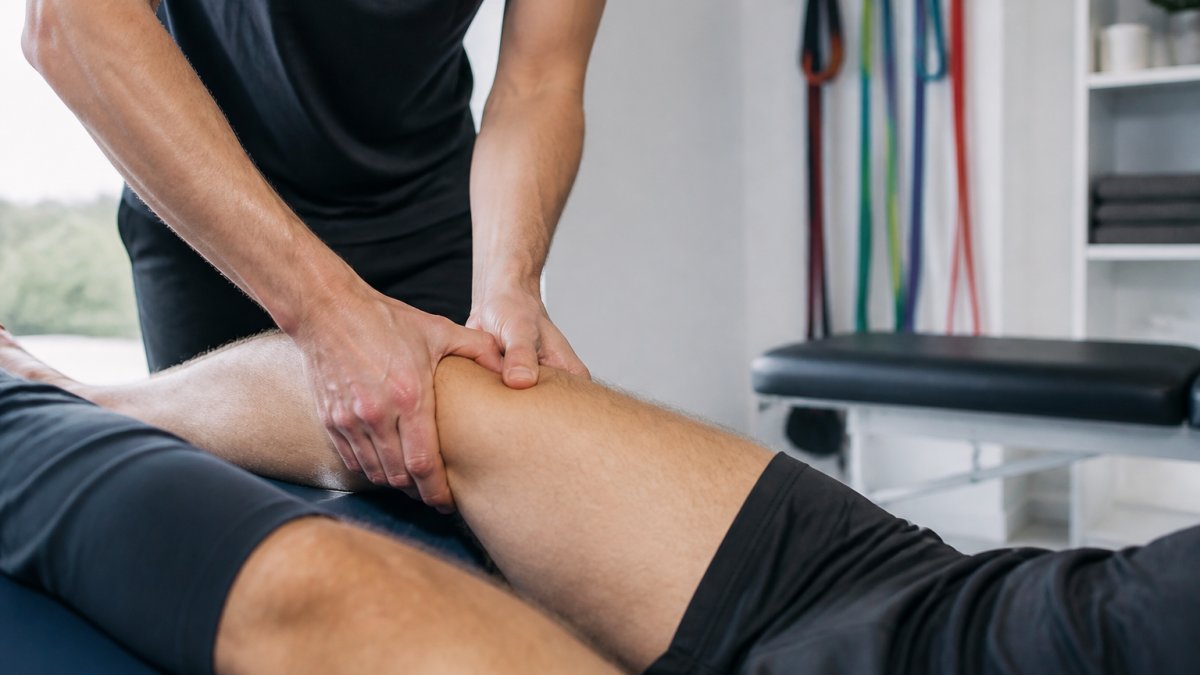
We built Marlow Movement Clinic around the gap between a good massage and a real recovery. Our Graduate Sports Therapists specialise in musculoskeletal injuries of the spine, upper and lower limbs, and we treat office workers with chronic back pain as readily as runners with a stubborn calf.
Our Clinical Lead, Mark Skoyles (BSc Hons), has been in practice since 1996, and we hold a 5.0 rating on Google from 97 reviews. Same-day appointments are often available, and we offer a free 15-minute phone consultation so you can ask questions before committing. If you want to understand how our approach differs from other forms of musculoskeletal care, our team is happy to explain it plainly.
Conclusion: Finding the Right Sports Massage for You
Finding the right sports massage comes down to asking better questions. Check the qualification, ask what happens between sessions, and expect an assessment before any hands-on work begins.
If you are tired of temporary relief and want a clear route back to running, lifting or simply sitting at your desk without pain, book with Marlow Movement Clinic. You get hands-on treatment, a personalised rehabilitation plan, expert guidance for both chronic and acute injuries, and same-day appointments when you need them. Book online and take the first step back to confident movement.
Frequently Asked Questions
What is the difference between Physiotherapy and Sports Therapy?
Graduate anatomy and physiology education is the same. Basic physiotherapy training is geared around getting people out of a hospital bed and back to home or work. There are different clinical speciality pathways that physiotherapists go down for post-graduation work, one being musculoskeletal. Sports Therapy training is based on treating musculoskeletal pain and outpatient rehabilitation from the start. The focus is on people who can work and do simple daily tasks, but struggle getting back to their favourite exercise or sport.
What sort of treatments do Marlow Movement Clinic provide?
Graduate Sports Therapy is focused on making the musculoskeletal system work better: bones, joints, muscles and other soft tissue structures in the body. Training is based around exercise physiology, biomechanics, neuromuscular facilitation, assisted stretching, soft tissue mobilisation and targeted exercise rehabilitation. This hands-on approach is combined with practical rehab plans so you have clear, actionable steps to progress between sessions.
How should I prepare for a sports massage?
Arrive hydrated and avoid a heavy meal in the hour before your appointment. Wear or bring loose clothing you can move in, as you may be asked to perform simple movements during assessment. Be ready to describe your training load, any niggles, and what you want to get back to doing. If you have a diagnosed medical condition or are on medication, mention this when you book so your therapist can adapt the session.
What should I expect after a sports massage?
Mild soreness for 24 to 48 hours is common, similar to the feeling after a new workout. Drink water, keep moving gently, and avoid heavy training or intense stretching immediately afterwards. Any redness or warmth on the treated area usually settles within a day. If you have sharp pain, swelling, or symptoms that worsen rather than ease, contact your therapist or a qualified healthcare professional.